Mgr Marcel Lefebvre Seminary
SAJM
Segue-me, e eu farei de vós pescadores de homens.
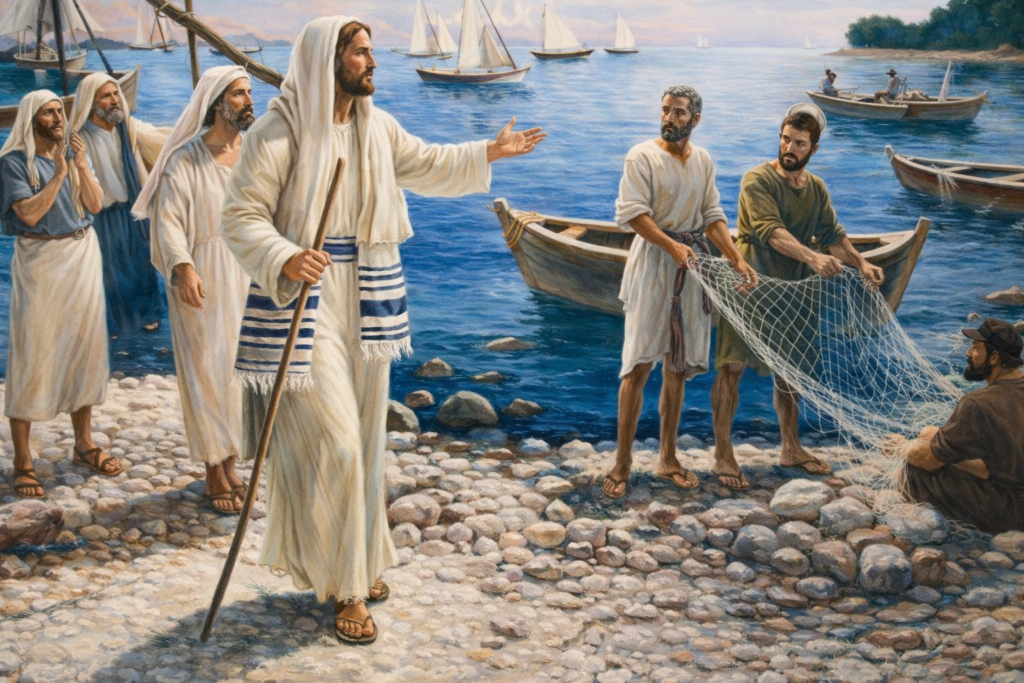
Se este apelo do Senhor ressoa no mais profundo da sua alma, por que não vir passar uma semana no seminário, para discernir se não é a si que o Senhor chama — e assim não correr o risco de ser como o jovem rico do Evangelho?
Uma experiência não implica qualquer compromisso; no entanto, enquanto não vier ver, não poderá saber se este chamamento é para si ou para outro.
Não hesite em contactar-nos para saber mais, e poderá descarregar os documentos em anexo para obter informações adicionais.
* Envie o quinto documento — a ficha — devidamente preenchido para o e-mail (não para o WhatsApp): seminariodomlefebvre@gmail.com.
Lá, um sacerdote se encarregará de a ler e responder.
Vocations
“The priestly dignity is therefore in this world the highest of all dignities.” (St. Ambrose)
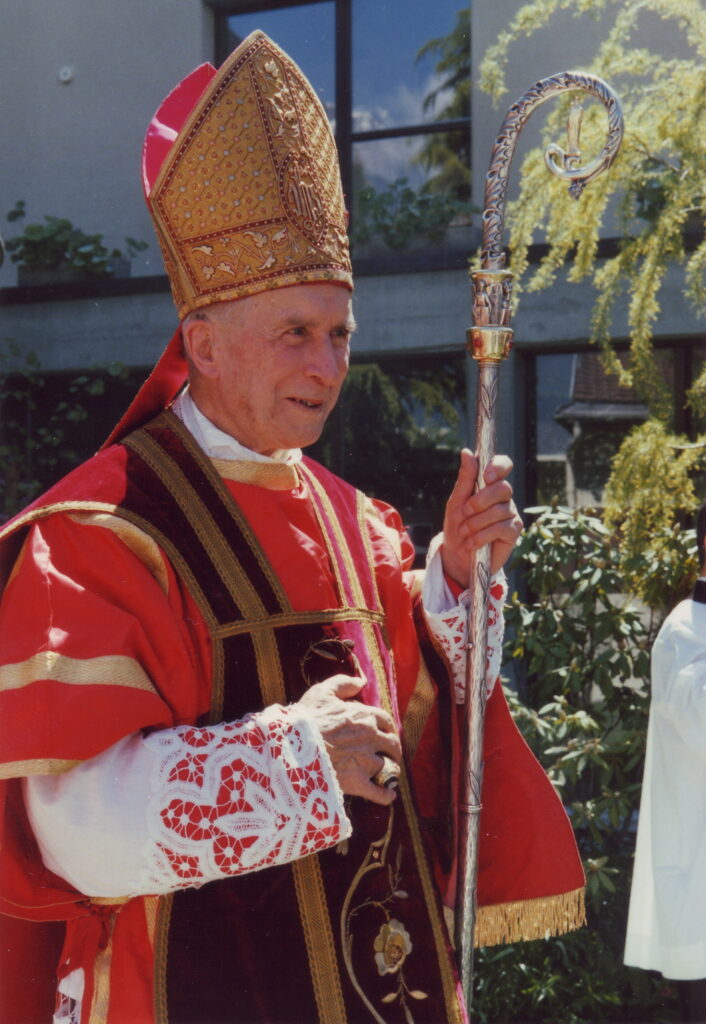
On the Priesthood
The priestly vocation is a tremendous mystery: not a human honour, but a weight of eternity placed upon fragile shoulders. St. Alphonsus, reminds us that, according to the Fathers, the priesthood does not belong to the order of earthly things but to heavenly ones — an immense dignity, angelic and almost divine. The priest is placed between God and men, inferior to God but superior to every earthly power; he is mediator, ambassador and minister who speaks and acts in persona Christi.To honour the priest is to honour Christ Himself; to despise him is to wound the Lord.
The end of the vocation is one alone: to live exclusively for the things of God.The priest is chosen from among men “to administer in favour of men the things that pertain to God” (Heb. 5:1). He is consecrated,that is, separated, set apart from the world. He must be holocausto contínuoa continual holocaust, wholly offered, consumed upon the altar together with the sacrifice he presents. His ministry is to praise God, to sanctify souls and to be, in the midst of men, like a visible angel who enlightens, guides and purifies.
Thus, according to the formula St. Alphonsus,the priest is at once mediator and sacrifice,the glory of God and the hope of sinners. His vocation is as high as Heaven, yet his danger is as deep as hell; and only in continual holiness will he find fidelity to the call he has received.
“The seminarians will love to meditate frequently upon the consequences of their priesthood,which assimilates them to Our Lord Jesus Christ, priest forever; that is, they are already destined to be separated in heart from the world.Therefore, in a special way, they must be detached from the goods of this world and removed from the concupiscence of the flesh.
Their example and the witness of these two virtues — chastity and poverty — constitute the most effective and the most intelligible preaching for all men, especially for the simple. Thus they will gradually accustom themselves in the Seminary to acquire detachment from the goods of this world e a and the virtue of chastity”.(Regulation, Archbishop Marcel Lefebvre).
The Mgr Marcel Lefebvre Seminary
The Mgr Marcel Lefebvre Seminary opened its doors in January 2026, directed by Fr. Jean-Baptiste Brocard, SAJM, under the authority of the Superior General of the SAJM.
The seminary intends to continue the work of Archbishop Marcel Lefebvre, that is, the formation of priests faithful to Catholic Tradition, which necessarily implies the rejection of the liberal and neo-modernist reforms originating from the Second Vatican Council. The occasion for the creation of the seminary was the doctrinal weakening and the concessions made “in stages” by the Society of Saint Pius X in the search for an agreement with a Rome “of neo-modernist and neo-Protestant tendency” (Declaration of 21 November 1974). We intend to maintain the doctrinal line of Archbishop Lefebvre, as well as to continue the “Operation Survival” of the priesthood and of the Catholic sacraments.
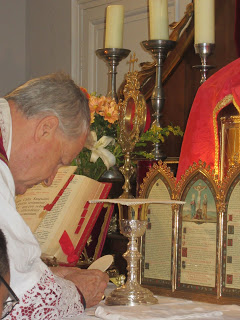
The (Society of the Apostles of Jesus and Mary)
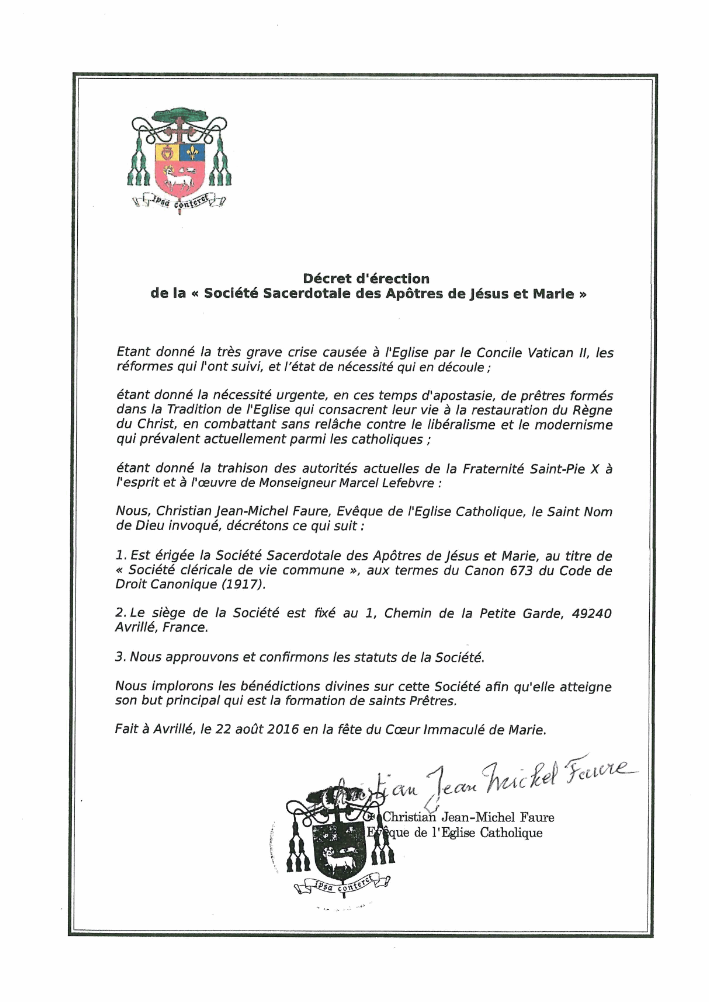
Decree of foundation of the “Priestly Society of the Apostles of Jesus and Mary”
Considering the extremely grave crisis caused in the Church by the Second Vatican Council, the reforms that followed it, and the state of necessity that results from it;
considering the urgent necessity, in these times of apostasy, for priests formed in the Tradition of the Church who dedicate their lives to the restoration of the Kingdom of Christ, fighting without respite against the liberalism and modernism that currently prevail among Catholics;
considering the betrayal of the current authorities of the Society of Saint Pius X with regard to the spirit and the work of Archbishop Marcel Lefebvre;
We, Christian Jean-Michel Faure, Bishop of the Catholic Church, invoking the Holy Name of God, decree the following:
The Priestly Society of the Apostles of Jesus and Mary is erected under the title of a “clerical society of common life,” according to Canon 673 of the Code of Canon Law (1917).
The seat of the Society is established at 1, Chemin de la Petite Garde, 49240 Avrillé, France.
We approve and confirm the statutes of the Society.
We implore the divine blessings upon this Society so that it may attain its principal end, which is the formation of holy priests.
Done at Avrillé, on 22 August 2016, on the feast of the Immaculate Heart of Mary.
✠ Christian Jean-Michel Faure
Bishop of the Catholic Church
Seminary Schedule
During the Year
6h00 — Rising
6h30 — Prime, meditation and Angelus
7h15 — Community Mass
8h00 — Breakfast (optional)
8h30 — Biblical reading
9h00 às 12h00 — Classes or personal study
12h15 — Sext
12h30 — Lunch and recreation
Quarta-feira e domingo à tarde (14h00 às 17h00): passeio e esportes
Saturday afternoon: tasks and maintenance of the seminary
14h00 — Sext or personal study
15h00 — Classes or personal study
16h00 — Duties or personal study
16h45 — Snack (optional)
17h00 — Duties or personal study
18h30 — Reading or spiritual conference
19h00 — Rosary (on Thursdays, exposition; on some Fridays, Stations of the Cross)
19h30 — Dinner and recreation (except on Wednesdays or when there is an outing)
20h45 — Compline — grand silence
22h00 — Lights out
Seminary Schedule
On Sundays
6h30 — Rising
6h50 — Lauds and Angelus
7h15 – Missa da comunidade
8h00 – Café da manhã
Biblical reading and spiritual reading
9h30 — Gregorian or liturgical chant rehearsal
10h30 — Sung Mass
12h15 — Sext
12h30 — Lunch
14h00 — Outing and sports
17h00 — Sung Vespers & Exposition of the Most Blessed Sacrament
17h30 — Personal study
19h30 — Dinner
20h45 — Compline and grand silence
22h00 — Lights out
Ratio Studiorum
Mgr Marcel Lefebvre Seminary
Year of Spirituality (21 hours of instruction per week)
– Spirituality (2h)
– Catechism of the Council of Trent (2h)
– Sacred History (2h)
– Life of Jesus Christ (2h)
– Acts of the Magisterium (2h)
– Liturgy (1h)
– Gregorian Chant (1h)
– Latin (4h)
– French (5h)
Philosophy — First Year (19 hours per week)
– Latin (5h)
– French (4h)
– Sacred Scripture (2h)
– Church History (2h)
– Philosophy (4h)
– Nicomachean Ethics (2h)
Philosophy — Second Year (19 hours per week)
– Latin (5h)
– French (4h)
– Sacred Scripture (2h)
– Church History (2h)
– Philosophy (4h)
– Moral Theology (2h)
Theology — First Year (15 hours per week)
– Sacred Scripture (2h)
– Moral Theology (3h)
– Canon Law (2h)
– Dogmatic Theology (8h)
Theology — Second Year (15 hours per week)
– Sacred Scripture (2h)
– Moral Theology (3h)
– Canon Law (2h)
– Dogmatic Theology (8h)
Theology — Third Year (15 hours per week)
– Sacred Scripture (2h)
– Moral Theology (3h)
– Pastoral (2h)
– Apologetics (2h)
– Dogmatic Theology (6h)
30 minutes daily of spiritual reading and biblical reading.
The seminarians attend French classes, since some disciplines are taught by the Dominicans of Avrillé. Mastery of the language also enables them to understand Archbishop Lefebvre and to read his texts in the original.
The Rule of Archbishop Lefebvre
All their life of prayer and their exercises of piety will be directed toward the Sacrifice of the Mass.The prayers of the day and meditation will express the desire to offer themselves to God with Jesus the Host,to share in His expiatory sacrifices,and to unite themselves to His praise and to His acts of thanksgiving. They will aspire to live this life of prayer already in the Seminary, convinced that it will be the soul of their apostolate.For this reason, they will strive to be punctual at every ringing of the bell that calls them to common prayer. They will gladly add personal prayers that orient their souls toward God.
They will exercise themselves in the common life,which is nothing other than a family life, showing on every occasion an affectionate respect toward the one who shares in the authority of Our Lord and toward those who collaborate with him in the exercise of this fatherhood, remembering this word of Scripture: “ex quo omnis paternitas in caelis et in terra nominatur” (Eph. 3:15). They will obey them faithfully, spontaneously, and joyfully,remembering also that sin “entered this world through disobedience, and that life was restored to repentant sinners through the obedience of Our Lord.”They will learn to renounce their own will in order to submit themselves entirely to God. They will avoid all criticism of authority, but will respectfully submit their difficulties to the Superior, ready to conform themselves entirely to his judgment. They will be faithful in asking for the necessary permissions and dispensations and in accusing themselves of the faults they may have committed against the Rule.
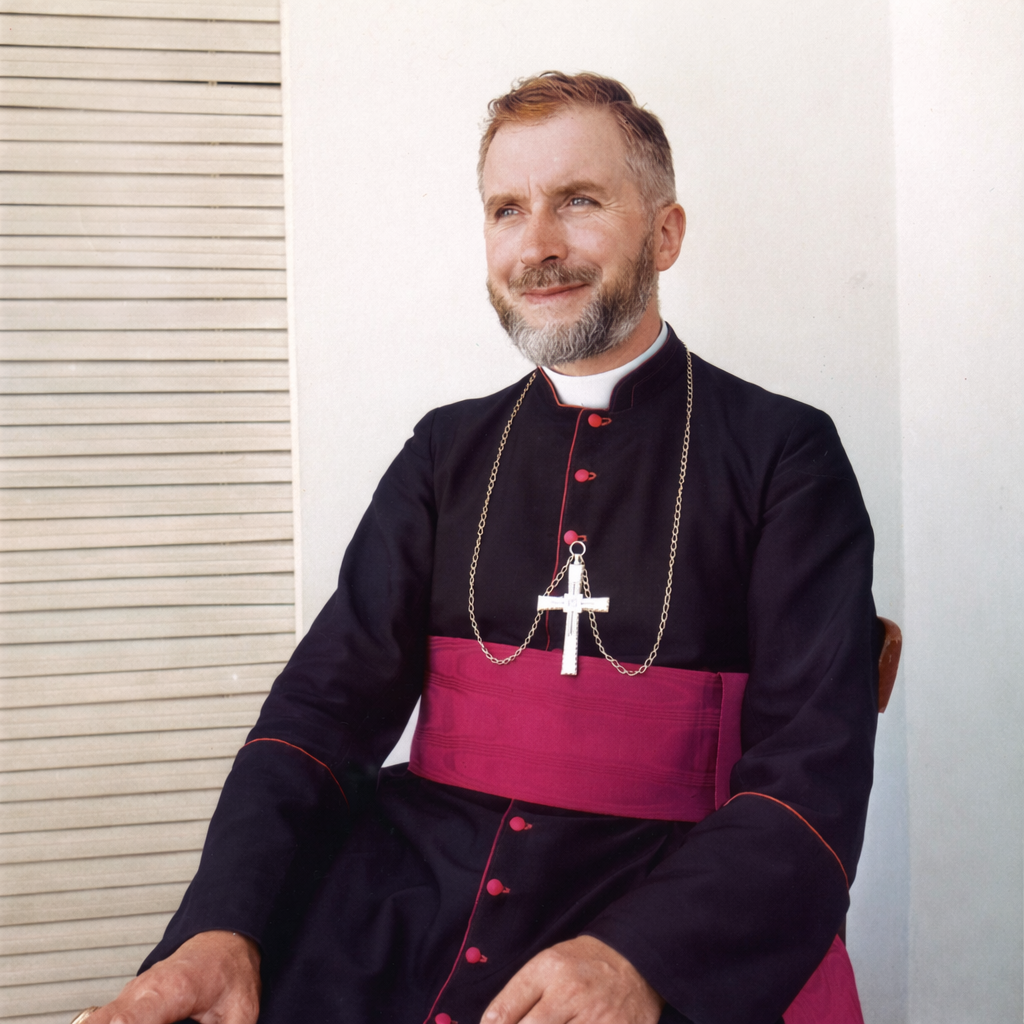
Fidelity to Catholic Tradition!
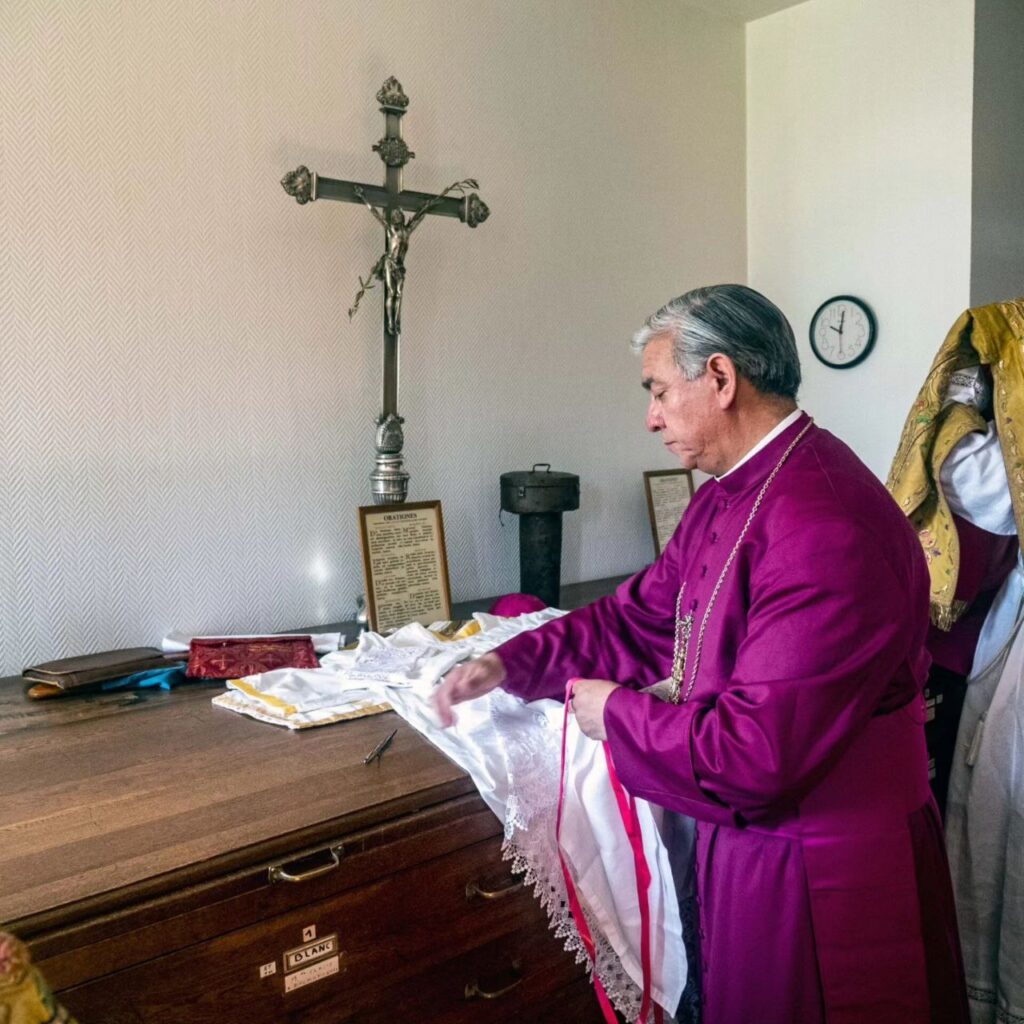
Mgr Zendejas
Mgr Gerardo Zendejas (b. 1963) was formed at the FSSPX seminary in La Reja and was ordained a priest in 1988, after receiving the subdiaconate from Archbishop Marcel Lefebvre and the diaconate from Bishop Antônio de Castro Mayer. He first worked in Colombia, where he was prior in Bogotá and founded a school for underprivileged children, and later in Mexico and in the United States, particularly in Ridgefield (Connecticut) and Dickinson (Texas), always connected with the formation of schools and spiritual retreats.
In 2014 he joined the Resistance, and in 2017 he was consecrated bishop.
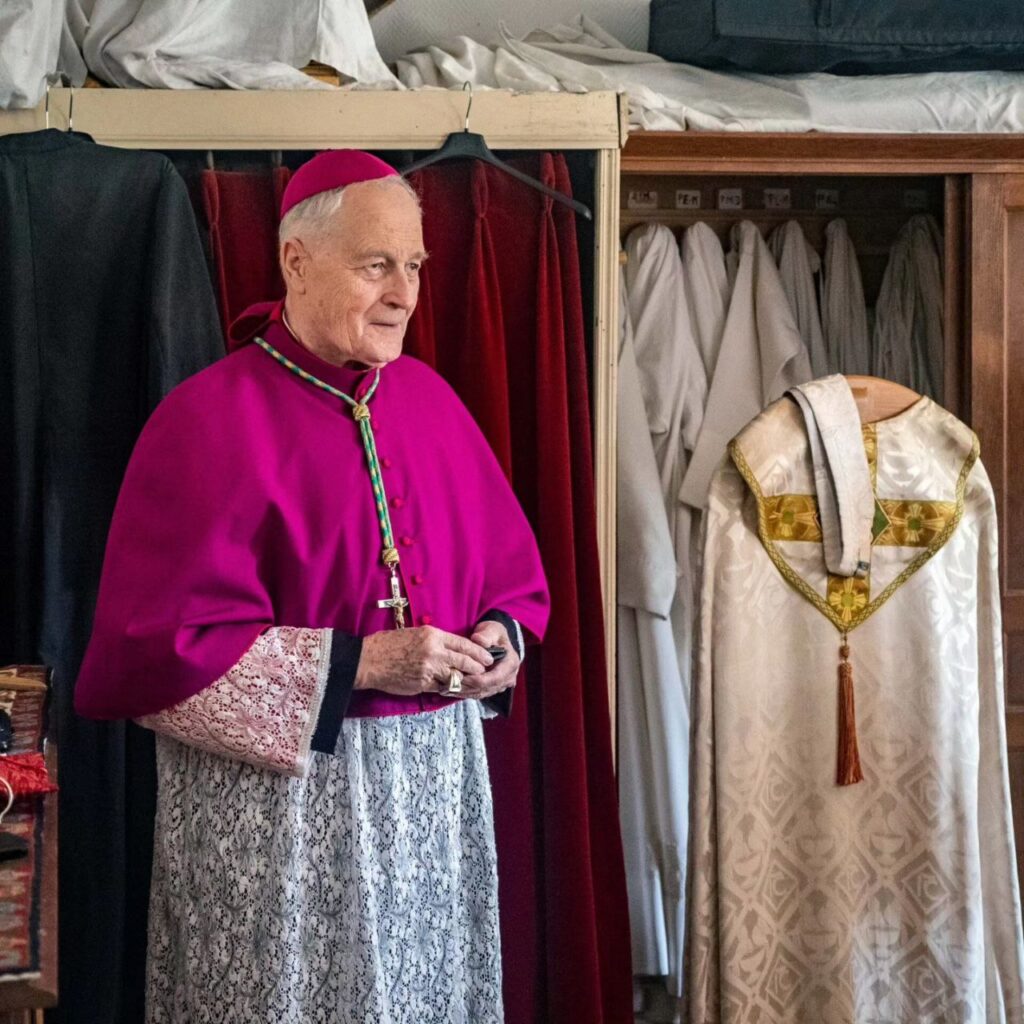
Mgr Faure
Mgr Jean-Michel Faure (b. 1941) is one of the principal figures of Catholic traditionalism. Ordained in 1977 by the Society of Saint Pius X, he distinguished himself by his fidelity to Tradition and his opposition to the reforms of Vatican II. In 1986, during a visit to Écône, Archbishop Marcel Lefebvre personally asked him whether he would accept being consecrated a bishop.
In 2016 he founded the Priestly Society of the Apostles of Jesus and Mary (SAJM), dedicated to the preservation of the Tridentine Mass and resistance against modernism. In 2015 he received episcopal consecration from Williamson, necessary to ensure the continuity of the true faith.
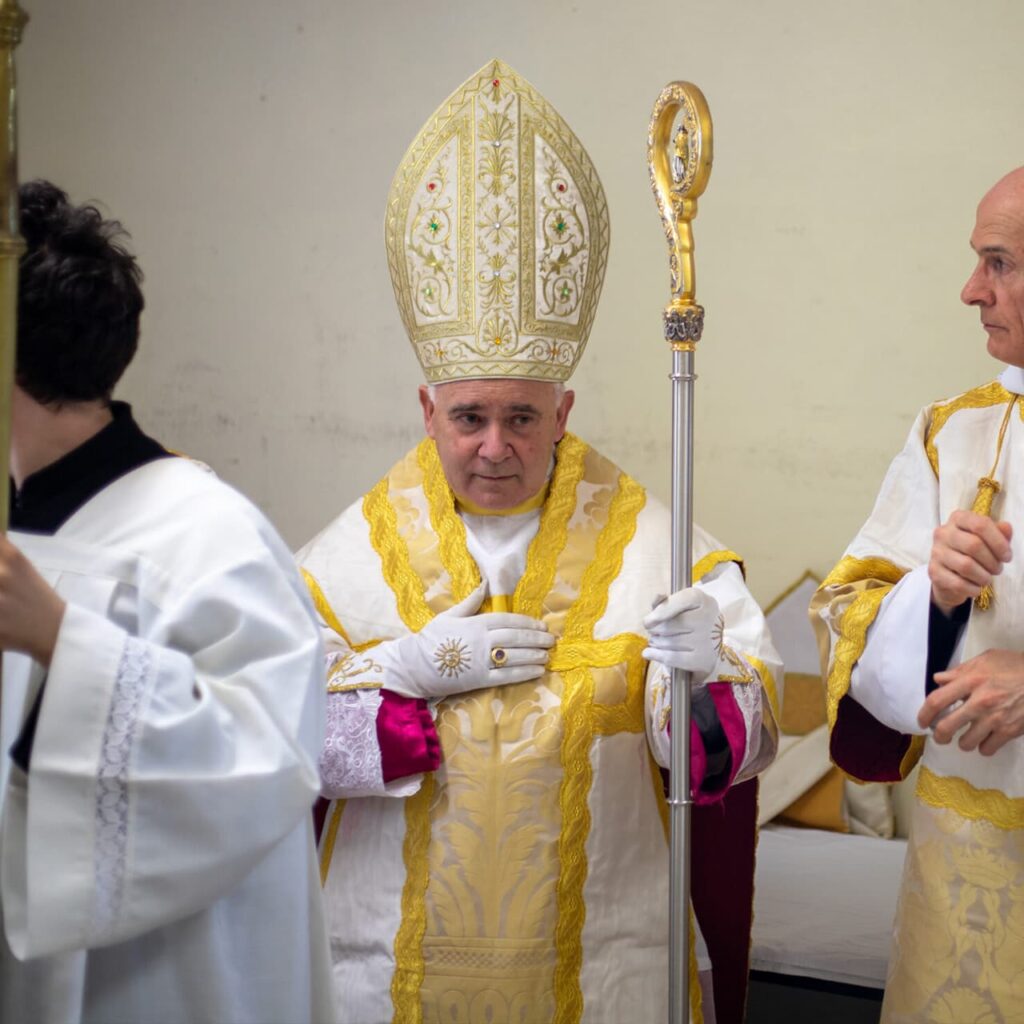
Mgr Tomás
Mgr Tomás de Aquino (Miguel Ferreira da Costa, b. 1954) is prior of the Monastery of the Holy Cross in Nova Friburgo (RJ) and one of the principal figures of Catholic traditionalism in Brazil. Formed by Dom Gérard Calvet at the Monastery of Le Barroux (France), he was ordained a priest by Archbishop Marcel Lefebvre in 1980 and, in 1987, founded the Monastery of the Holy Cross, also with the support of Bishop Antônio de Castro Mayer.
In 2016 he was consecrated bishop by Bishop Richard Williamson and Mgr Jean-Michel Faure, which was necessary to ensure the continuity of Tradition.
The Priestly Life
The life of the seminarian is entirely centered on the altar and on the Holy Sacrifice of the Mass,the source and soul of the priestly vocation. All prayer and exercises of piety are directed toward this mystery, with the day being structured by moments of community prayer: Prime,mental prayer, and Mass in the morning; Sext at midday; Compline at night; in addition to the daily rosary and, on Sundays, Vespers.On Fridays, the rosary is replaced by the Stations of the Cross,and there are also monthly days of recollection to renew the interior life.
The seminary aims to form priests deeply rooted in the faith,capable of resisting the crises of the Church. Philosophical and theological study is demanding and must be assimilated not merely in a theoretical manner, but as a living love for Incarnate Wisdom.We follow the courses taught by the Dominicans of Avrillé,in order to ensure the best theological formation for our seminarians.
Community life is also formative: through participation in common tasks and fixed responsibilities, seminarians learn the virtues of humility and obedience,which are essential for the apostolate. Life in the seminary is balanced with moments of daily recreation, weekly outings, and more extensive community activities each trimester. There are also three annual vacation periods — at Christmas,at Easter, and in the summer — during which some apostolic work is also carried out alongside friendly priests or works.
Thus prayer, study, work, and community life are integrated in order to form priests firm in Tradition,ready to consecrate their entire lives to the service of God and of souls..
How to get there?
The end of the Society is the priesthood and everything that pertains to it. To orient the life of the priest toward that which essentially constitutes his reason for being: the holy Sacrifice of the Mass.
Site created by Imperium
Contact us!
Site created by Imperium
Contact
Seminar, Estr. Alcino da Cunha Ferraz km 1 s/n, Janela das Andorinhas - Riograndina, Nova Friburgo - RJ, 28634-438
Morning: das 9h às 11h (Contato)
Afternoon: das 15h às 17h (Visitas)
Contact and WhatsApp:
+55 22 98800-8952
E-mail: seminariodomlefebvre@gmail.com
CNPJ (Brazilian register):
30.171.417/0001-88